


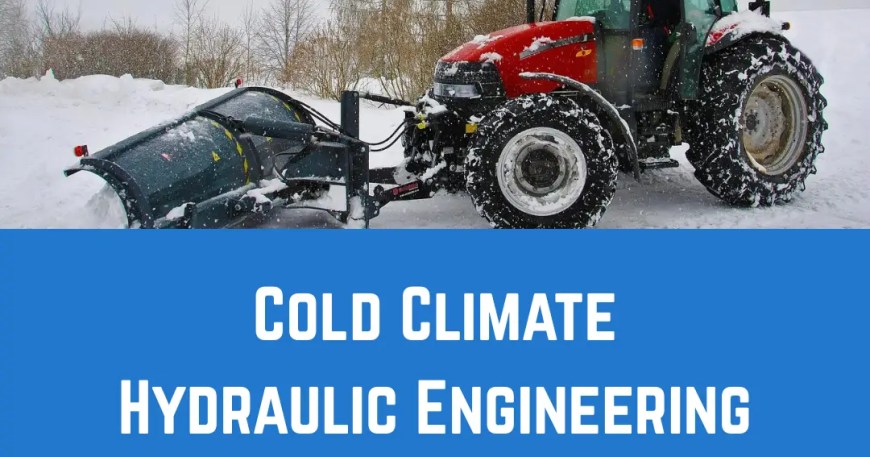
 As winter approaches, hydraulic system performance becomes a critical engineering concern for OEMs producing snow removal equipment, construction machinery, municipal vehicles, and other machines expected to operate reliably in subzero climates. Cold temperatures introduce fluid, material, and mechanical challenges that can influence performance, service life, and overall equipment reliability. This guide provides a technical overview of the key design considerations for winter ready hydraulic cylinders and outlines how Pneu-Hyd supports OEM engineering teams with solutions built for extreme cold environments.
Designing Hydraulic Cylinders for Reliable Winter Performance
Winter conditions place unique mechanical and environmental stresses on hydraulic systems. Reduced fluid viscosity, thermal contraction of metal components, stiffened seals, and corrosive exposure from road salt all contribute to performance loss and increased failure risk. Designing cylinders specifically for winter duty cycles is essential for maintaining equipment uptime and reducing warranty claims.
This guide explains the engineering factors OEMs must consider when developing machinery intended for snow and ice environments, including material selection, seal design, tolerances, porting, and validation testing.
How Cold Temperatures Affect Hydraulic Cylinder Performance
Low temperatures influence hydraulic performance through a combination of fluid, mechanical, and structural effects:
Fluid Viscosity Changes
Hydraulic fluid thickens as temperatures drop, reducing flow efficiency and increasing system pressure during cold starts. These pressure spikes can overload cylinders, seals, and mounts if not accounted for in the design phase.
Seal Stiffening and Compression Set
Standard elastomers harden in cold environments. This reduces their ability to maintain a proper seal, increases friction, and raises the likelihood of leaks during initial movement. Seal materials must be selected based on their ability to remain flexible and maintain sealing integrity at low temperatures.
Thermal Contraction
Steel components contract in subzero conditions, tightening clearances inside the cylinder assembly. Poorly selected tolerances can increase friction, reduce speed, or contribute to early wear of seals or wear bands.
Increased Corrosion Exposure
Snow, ice, brine, and road salt accelerate corrosion on rods, barrels, ports, and mounting surfaces. Corrosion resistant materials and coatings are essential for long-term durability.
Engineering Factors OEMs Must Address for Cold Weather Hydraulic Systems
Designing a winter-ready cylinder involves a combination of mechanical, material, and system level engineering decisions.
Cylinder Tolerances for Subzero Operation
Clearances between the bore, piston, rod, and wear components must be calculated with thermal contraction in mind. Cylinders that perform well at standard ambient temperatures may bind or drag when exposed to subzero conditions. Engineering for predictable dimensional changes ensures consistent performance across temperature ranges.
Porting and Flow Considerations
Low temperature hydraulic fluid requires optimized port locations and flow paths to minimize restrictions during cold starts. Oversized ports and carefully selected valve configurations reduce pressure spikes and improve control when the system is first activated.
Cushioning Behaviour
Cold fluid affects cushioning performance at end of stroke. Cushion orifice sizing and tuning should reflect winter duty cycles to avoid harsh movement or premature wear.
Load Cases and Duty Cycles
Winter applications often involve higher loads due to packed snow, ice resistance, and continuous cycling. Design margins must account for duty cycles involving frequent starts, stops, and direction changes in extreme temperatures.
Material and Seal Selection for Subzero Environments
Material selection is one of the most critical factors in winter hydraulic cylinder design.
Seal Materials
Low temperature compatible elastomers such as advanced nitrile blends, HNBR, polyurethane variants, or specialty low temp compounds should be used in place of standard seals. These materials maintain flexibility, reduce compression set, and improve leak resistance in cold environments.
Rod Coatings
Chrome, nitride, and nickel chrome coatings provide corrosion resistance and wear protection in saline and abrasive environments. In severe conditions, advanced coatings may be needed to prevent pitting and scoring caused by ice, sand, and salt.
Barrel and Component Materials
High strength carbon steel remains standard, but additional surface protection may be required for machinery used in extreme weather or road salt exposure zones.
Wipers and Contamination Control
Low temperature wipers prevent ice, snow, and debris from entering the cylinder. OEMs should choose wiper designs that maintain flexibility and scraping performance at low temperatures.
Best Practices for Designing Winter Ready OEM Equipment
OEMs designing machinery for winter environments can improve reliability by integrating the following practices:
Validate Material Compatibility Early
Select materials based on environmental exposure, expected duty cycles, and fluid requirements. Early validation reduces redesigns during late development stages.
Model Cold Start Pressure Curves
Simulate cold start pressure spikes using viscosity data for the expected fluid type. This ensures the cylinder structure, seals, and mounts are correctly sized.
Optimize Rod and Barrel Protection
Include coatings, wipers, and paint systems designed for winter equipment to extend service life and reduce corrosion related warranty claims.
Design for Serviceability
Winter operators must often perform maintenance outdoors. Accessible ports, fittings, and mounting points improve serviceability in the field.
Validation and Testing for Cold Climate Hydraulic Cylinders
Performance testing is essential for equipment intended for snow and ice environments.
Environmental Chamber Testing
Cold chamber validation allows engineers to evaluate seal behaviour, startup friction, contraction effects, and fluid performance across temperature ranges.
Cycle Testing at Varying Temperatures
Load and cycle testing at temperatures below freezing ensures that seals, wear bands, and structural components deliver the required service life.
Corrosion Exposure Testing
Salt spray and environmental exposure testing verify corrosion resistance for components exposed to winter road treatments.
How Pneu-Hyd Engineers Custom Cylinders for Winter Performance
Pneu-Hyd works closely with OEM engineering teams to design, manufacture, and validate hydraulic cylinders that perform reliably in demanding winter environments. Our design process includes material and seal selection and engineering of tolerances, coatings, and structural features specifically for low temperature duty cycles.
We support OEMs producing snow removal equipment, municipal machinery, cold climate construction equipment, and winter attachments with purpose built hydraulic solutions designed for long term durability and consistent performance.
Request an Engineering Consultation
If you are developing equipment for cold weather applications or need to improve the winter performance of your hydraulic systems, our engineering team is available to assist. Contact us to schedule a consultation or request a custom cylinder design review.

Comments (2)
Why OEMs Choose Custom Hydraulic Cylinders for Advanced Equipment Design – Pneu-Hyd Industries
December 3, 2025[…] used in construction, mining, material handling, forestry, agriculture, and snow and ice control often faces continuous-duty environments with significant load fluctuations. Custom cylinders […]
Hydraulic Cylinder Manufacturer for OEM Equipment – Pneu-Hyd Industries
December 10, 2025[…] Municipal and snow equipment […]